


Temples & Culture
7 min readKapil Muni Temple Gangasagar: History, Timings, Rituals & Rules
Standing near the serene shores of Sagar Island, Kapil Muni Temple is the spiritual focal point of Gangasagar. Read our detailed guide on timings, priest offerings, and how to avoid touts.
Last checked 2025-01-11 Can change by seasonSources
Temple darshan hours, trust protocols, and preservation notices verified with the Kapil Muni Temple Trust and Sagar Block Development Office.
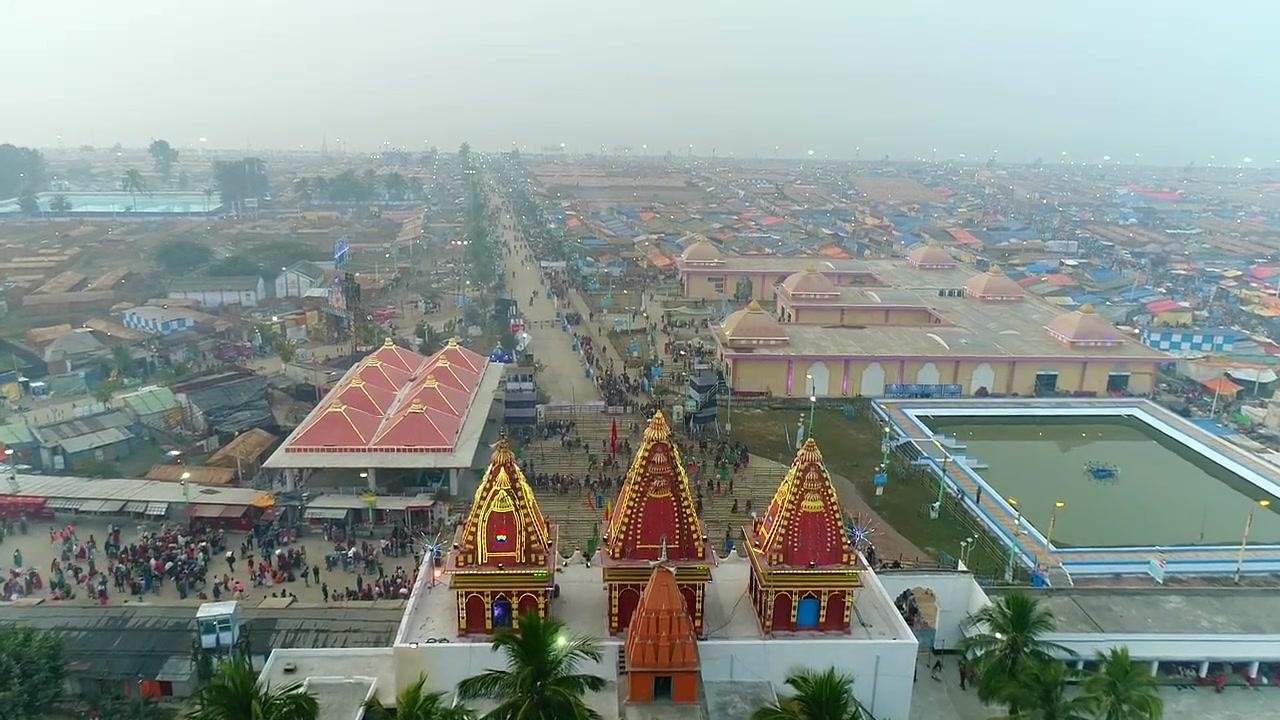
The shrine of sage Kapila—an incarnation of Lord Vishnu celebrated in the Srimad Bhagavatam as the teacher of Samkhya philosophy—is the very heartbeat of Sagar Island.
History & Structure of the Shrine
The current temple structure is relatively modern, built in the late 20th century. Over the centuries, the powerful tides and sea erosion of the Bay of Bengal swallowed four earlier ancestral shrines.The present temple stands safely back from the high-tide watermark, built on an elevated plinth with reinforced concrete and traditional Bengali and North Indian architectural accents. A vibrant orange and saffron dome crowns the sanctum, adorned with sacred dhwajas (flags) that flutter in the ocean breeze.
The Sacred Deities Inside the Sanctum
Inside the cool, stone-paved inner sanctum, pilgrims encounter three distinct sacred representations:Normal & Mela Darshan Timings
Non-Mela Operating Hours
- Morning Darshan: 06:00 AM to 01:00 PM
- Temple Cleaning & Bhog Pause: 01:00 PM to 04:00 PM (Doors closed)
- Evening Darshan & Sandhya Aarti: 04:00 PM to 08:30 PM
Peak Mela Week Hours (Jan 12 to Jan 16)
- During the Mela, the temple remains accessible nearly 24 hours a day to prevent crowd pile-ups, closing only for short 30-minute intervals during sanctum cleansing (Snana-Shringar).
Rituals, Offerings & Puja Steps
How to Avoid Touts & Follow Code of Conduct
- Ignore Aggressive Pandas: Near the beach and temple entrances, unauthorized middlemen may attempt to claim hereditary rights over your ancestral records and demand exorbitant fees for 'special rituals.' Politely decline and walk straight to the temple queues.
- Official Donation Receipts: If you wish to donate towards temple maintenance or community feeding (Annadaan), make contributions exclusively at the official temple trust counter inside the gates, and ensure you receive a stamped receipt.
- Footwear Storage: Free footwear racks monitored by volunteers are located at the entrance. Avoid leaving footwear scattered near barricades.
Frequently Asked Questions
Related Guides & Articles
The Legend of King Sagara, Bhagiratha & Kapil Muni at Gangasagar
The spiritual foundation of Gangasagar rests upon one of the most celebrated epics of ancient India. Explore the fascinating legend that brought the sacred Ganga down to Sagar Island.
Gangasagar Mela Dates & Makar Sankranti Snan Timings
Plan your pilgrimage around the auspicious Punya Snan muhurat. Understand the astronomical calculation of the Sun's transit into Capricorn and the best hours for holy immersion.
Gangasagar Travel Guide: Packing List, Budgets, Medical Facilities & Safety Tips
Avoid common pitfalls on your trip to Sagar Island. A sensible checklist covering winter packing, cash requirements, medical stations, mobile reception, and beach safety.