


Mythology & Vedic History
The Sacred Legend of Gangasagar: King Sagara, Bhagiratha & Kapil Muni
The spiritual significance of Gangasagar traces back to one of the most celebrated epics of ancient India. Discover how a father's sacrifice and a great-grandson's relentless penance brought the River Ganga down to Sagar Island.
Last checked January 8, 2025 CheckedSources
Narrative verified from canonical Sanskrit scriptures: Valmiki Ramayana (Bala Kanda, Cantos 38–44) and Srimad Bhagavata Purana (Skandha 9).
King Sagara's Ashwamedha Yajna
In the ancient solar dynasty (Suryavansha) of Ayodhya, King Sagara ruled over a vast, prosperous kingdom. Desiring to establish supreme righteousness and sovereign sovereignty over the realms of earth, King Sagara initiated the hundredth Ashwamedha Yajna (horse sacrifice).
As dictated by Vedic tradition, a consecrated white stallion was set loose to wander across the land for a year, shadowed by King Sagara's sixty thousand sons.
Kapil Muni's Hermitage & The Fiery Curse
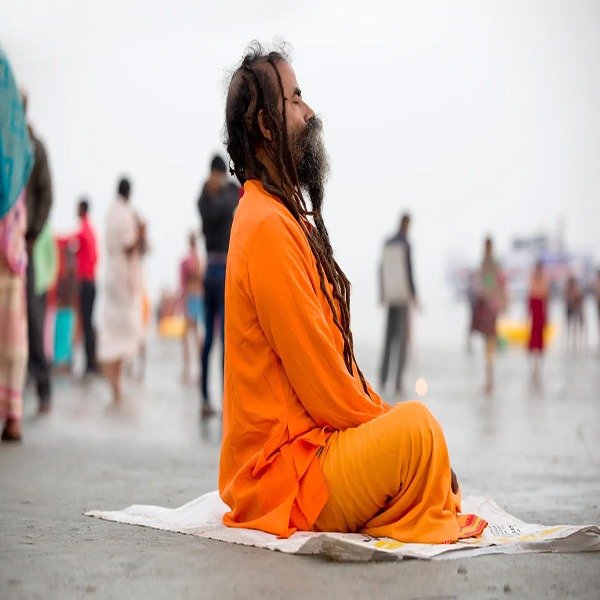
Indra, the king of heaven, feared that the completion of Sagara's sacrifice would grant the earthly king divine sovereignty exceeding his own. Disguising himself, Indra spirited away the stallion and tethered it behind the coastal hermitage of sage Kapila (Kapil Muni), who was immersed in deep meditation (samadhi).
Tracing the horse's tracks to the southern sea, the sixty thousand princes stormed into the peaceful hermitage. Mistaking the silent sage for the thief, they hurled insults and raised their weapons to attack.
Disturbed from his meditation, Kapil Muni slowly opened his eyes. The immense spiritual fire (Tejas) that blazed forth from his gaze reduced all sixty thousand princes to heaps of gray ash in an instant.
Centuries in Limbo: Anshuman and Dilipa
With the princes missing, King Sagara dispatched his grandson Anshuman to search for his uncles. Anshuman discovered the horse and the heaps of ashes at Kapil Muni's ashram. Humbled and grieving, he bowed reverently before the sage.
Mollified by the prince's humility, Kapil Muni gave his blessing for the horse to be taken back so King Sagara could conclude the sacrifice. But he issued a profound decree:
“The souls of your sixty thousand uncles cannot attain heaven through ordinary funeral rites. Only if the divine River Ganga leaves the heavens and flows over their ashes will their sins be washed away and their spirits released into Moksha.”
Neither Anshuman nor his son King Dilipa could achieve this monumental feat, despite lifetimes of austerity.
Bhagiratha's Tapasya & Lord Shiva's Grace
It was King Dilipa's son, Bhagiratha, who took upon himself the solemn vow to liberate his ancestors. Bhagiratha renounced royal comforts and retired to Mount Gokarna in the Himalayas, performing severe austerities for a thousand years.
Goddess Ganga finally appeared, touched by his steadfast devotion. But she cautioned him:
“The sheer momentum of my descent will shatter the earth. Only Lord Shiva possesses the infinite strength to cushion my fall.”
Bhagiratha then directed his penance toward Lord Shiva. Gracious and compassionate, the great Mahadeva stood atop Mount Kailash and received the raging torrent of Ganga into his vast, matted locks (Jata). Taming her fury, Shiva released the river in gentle, purifying streams down onto the plains of India.
The Descent of Ganga: Moksha on Makar Sankranti
Riding ahead in his chariot, Bhagiratha guided the river across the northern plains—past Rishikesh, Haridwar, Prayagraj, and Varanasi—down into the fertile delta of Bengal.
Finally, on the auspicious astronomical day of Makar Sankranti, the sacred waters of Ganga washed over the ashes of the sixty thousand sons of Sagara at Sagar Island. Instantly purified, their souls attained Vaikuntha (heavenly liberation).
Why “Sab Tirth Bar Bar, Ganga Sagar Ekbar”?
This ancient Bengali and Hindi adage reflects two profound truths:
- The Incomparable Spiritual Reward: Because this is where the supreme act of ancestral salvation (Pitru Moksha) was achieved through divine grace, a single immersion here is believed to cleanse lifetimes of negative karma.
- The Historical Peril: Centuries ago, traveling to Sagar Island required traversing tiger-infested Sunderbans mangrove forests, pirate-ridden river channels, and unpredictable oceanic storms. A pilgrim who survived the journey rarely returned a second time.