


Temples & Culture
7 min readThe Legend of King Sagara, Bhagiratha & Kapil Muni at Gangasagar
The spiritual foundation of Gangasagar rests upon one of the most celebrated epics of ancient India. Explore the fascinating legend that brought the sacred Ganga down to Sagar Island.
Last checked 2025-01-08 Can change by seasonSources
Narrative sourced from classical Sanskrit scriptures: Valmiki Ramayana (Bala Kanda), Mahabharata (Vana Parva), and the Bhagavata Purana (Skandha 9).
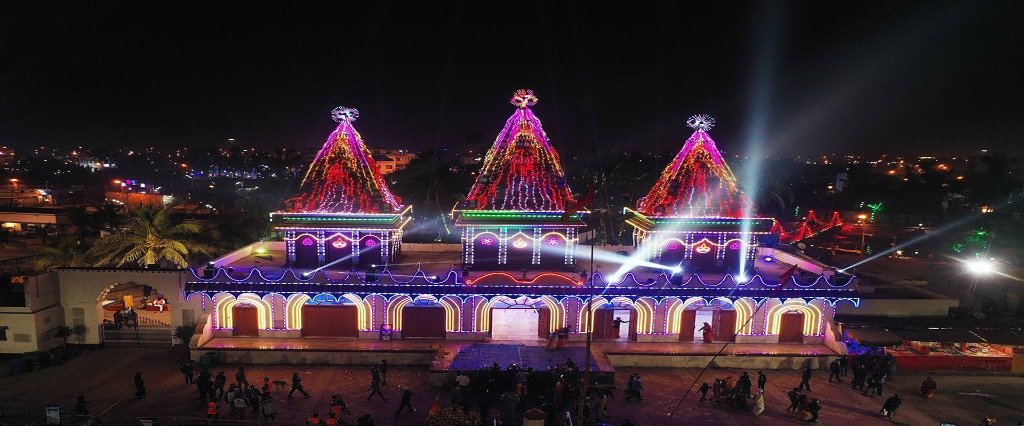
The holy pilgrimage to Gangasagar is deeply intertwined with ancient Indian history, scripture, and cultural memory. To step onto Sagar Island is to step directly into the final chapter of the celestial descent of the River Ganga (Ganga Avataran).
The Epic Backdrop: King Sagara of Ayodhya
In the golden age of the Ikshvaku dynasty, King Sagara ruled the prosperous kingdom of Ayodhya. Through his queens Keshini and Sumati, he fathered sixty thousand sons along with Asamanjas.To proclaim unchallenged suzerainty over the realms of earth, King Sagara initiated the grand Ashwamedha Yajna (horse sacrifice). As was customary, a consecrated white stallion was released to roam across the continent, accompanied by an army.
The Stolen Horse & Kapil Muni's Fiery Wrath
Indra, the monarch of the heavens, feared that the completion of Sagara's hundredth sacrifice would allow the earthly king to challenge his celestial throne. Disguising himself, Indra abducted the stallion and tied it secretly to a tree behind the secluded coastal hermitage where the revered sage Kapil Muni sat in deep, unbroken meditation (samadhi).When the sixty thousand princes tracked the hoofprints to Kapil Muni's hermitage, they saw the horse grazing peacefully. Assuming the sage was an imposter and a thief, they brandished their weapons and hurled insults at the saint.
The commotion disturbed Kapil Muni's penance. As he slowly opened his eyes, the accumulated spiritual energy blazed forth from his gaze. In a terrifying instant, all sixty thousand royal sons were reduced to heaps of gray ash, their unpurified souls trapped in limbo without funeral rites (Pinda-daan).
The Quest for Redemption: Anshuman and Dilipa
When the princes did not return, King Sagara dispatched his grandson Anshuman to search for them. Anshuman discovered the heaps of ashes and the grazing horse at the hermitage. Weeping, he bowed before Kapil Muni, praising the sage with utmost reverence.Mollified by the young prince's devotion, Kapil Muni revealed the truth:
"The souls of your uncles can only attain liberation (Moksha) if the heavenly River Ganga descends from the celestial realms and washes their earthly ashes."
Neither King Sagara, nor Anshuman, nor King Dilipa who followed could compel the divine river to leave the heavens.
Bhagiratha's Unyielding Tapasya & Shiva's Grace
It was King Dilipa's son, Bhagiratha, whose resolve broke through centuries of failure. Retiring to the high Himalayas, Bhagiratha performed unmatched austerities for thousands of years.Pleased by his devotion, Goddess Ganga agreed to descend. However, she issued a grave warning:
"The force of my descent from heaven will shatter the very foundations of the earth unless someone possessing infinite strength cushions my fall."
Bhagiratha then turned his penance toward Lord Shiva. The great ascetic lord stood firm on the peaks of Mount Kailash and trapped the descending torrent of Ganga within his vast, matted locks (Jata). Untangling a few strands, Shiva allowed the river to trickle gently down onto the plains of India.
The Waters Reach Sagar Island: Moksha for 60,000 Souls
Bhagiratha blew a sacred conch shell, riding a golden chariot southward as Ganga followed his path like a dutiful daughter (earning her the name Bhagirathi).Flowing through Rishikesh, Haridwar, Prayagraj, and Varanasi, the river entered Bengal, branching into myriad distributaries. Finally, guided by Bhagiratha, the celestial stream reached the eastern edge of Sagar Island.
As the sacred waters washed over the ashes of the sixty thousand sons of Sagara, their sins were cleansed, and their liberated souls ascended to the heavens.
Why Millions Still Commemorate the Legend Today
This supreme triumph of filial duty, ancestral redemption, and divine compassion occurred on the sacred astronomical day of Makar Sankranti. Every pilgrim who immerses themselves in the confluence at Gangasagar reenacts Bhagiratha's eternal quest: offering prayers for ancestors, seeking purification from moral transgressions, and venerating the eternal harmony between human effort and divine grace.Frequently Asked Questions
Related Guides & Articles
Kapil Muni Temple Gangasagar: History, Timings, Rituals & Rules
Standing near the serene shores of Sagar Island, Kapil Muni Temple is the spiritual focal point of Gangasagar. Read our detailed guide on timings, priest offerings, and how to avoid touts.
Gangasagar Mela Dates & Makar Sankranti Snan Timings
Plan your pilgrimage around the auspicious Punya Snan muhurat. Understand the astronomical calculation of the Sun's transit into Capricorn and the best hours for holy immersion.
Gangasagar Travel Guide: Packing List, Budgets, Medical Facilities & Safety Tips
Avoid common pitfalls on your trip to Sagar Island. A sensible checklist covering winter packing, cash requirements, medical stations, mobile reception, and beach safety.