


Mela guide
Gangasagar Mela: The Complete Pilgrim & Visitor Guide
Every January, millions of devotees converge on Sagar Island where the sacred River Ganga meets the Bay of Bengal. Here is what to know before you go.
Last checked January 10, 2025 Can change by seasonSources
Mela dates, transport, and safety arrangements change each year. Confirm the current annual notice with the district administration.
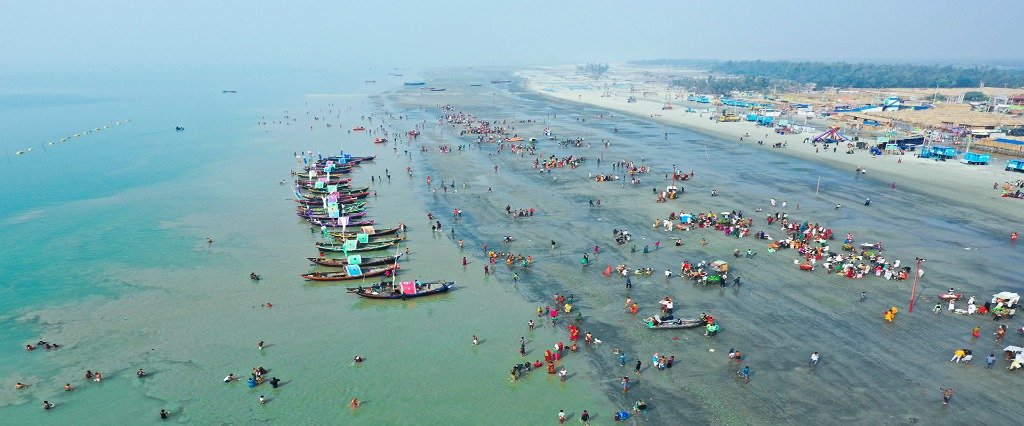
What is Gangasagar Mela?
Gangasagar Mela is the second largest spiritual assembly in the world, surpassed only by the Maha Kumbh Mela. Taking place on the southern shore of Sagar Island (Sagar Dweep) in the South 24 Parganas district of West Bengal, India, it celebrates the historic confluence where the Ganges River finishes its 2,525-kilometer journey and merges into the Bay of Bengal.
For centuries, visiting Gangasagar was considered the ultimate spiritual test due to dense mangrove jungles, tiger encounters, and turbulent sea crossings. This gave rise to the proverb:
“Sab tirth bar bar, Ganga Sagar ekbar” — All other pilgrimages can be performed repeatedly, but a single pilgrimage to Gangasagar yields supreme liberation.
The Spiritual Significance of Makar Sankranti
The mela is held to celebrate Makar Sankranti, the solar transition when the Sun moves from the southern celestial hemisphere to the northern hemisphere, entering the constellation of Capricorn (Makar Rashi).
Scriptures relate that on this sacred day, King Bhagiratha brought down the celestial River Ganga to touch the ashes of sixty thousand sons of King Sagara who had been incinerated by the wrath of sage Kapila. As the holy waters touched their ashes, the souls of the sixty thousand princes were delivered into eternal peace.
Participating in the Holy Bath (Snan)
The pinnacle of the pilgrimage is the Punya Snan (sacred immersion) at the confluence (Mohana):
- Auspicious Timings: The bathing window begins on the eve of Makar Sankranti and extends through the following afternoon. Bathing at sunrise as the horizon glows is the most revered moment.
- Bathing Procedure: Devotees take three full immersions facing east towards the rising sun, offering arghya (water libation) to Surya and ancestral deities (Tarpan).
- Safety Precautions: Ocean undercurrents at the confluence are powerful. Lifeguards from the National Disaster Response Force (NDRF) and Indian Coast Guard patrol the marked zones. Never step beyond designated warning ropes.
Kapil Muni Temple Darshan & Rituals
After the holy bath, devotees change into dry attire and proceed to the nearby Kapil Muni Temple:
- Devotees offer coconut, vermilion, sacred thread, and pedas to the vermilion-carved deity of sage Kapila.
- The temple complex also houses idols of Goddess Ganga and King Bhagiratha.
- During the Mela week, temple darshan runs nearly 24 hours a day with brief closures for deity dressing and bhog offering.
Safety, medical camps and facilities
The Government of West Bengal and district administration establish an extensive emergency setup:
- RFID Tracking Bands: Distributed to children and seniors to prevent separation.
- Mega Hospitals: Temporary 100-bed hospitals with specialized trauma and burn units.
- Water Ambulances: High-speed medical vessels crossing the Muriganga.
- Multilingual Lost & Found: Continuous broadcasts in Hindi, Bengali, Odia, Gujarati, and English.
Key Advice for Devotees & Families
- Carry Hard Cash: ATM networks on the island often run out of cash during peak days.
- Dress for Winter Winds: Morning coastal winds drop temperatures to 12°C–14°C.
- Avoid Single-Use Plastic: Sagar Island is a plastic-free environmental zone.
Plan Your Gangasagar Pilgrimage
Explore our fact-checked guides to plan your transportation, accommodation, and auspicious schedule: