


Mela Guides
6 min readGangasagar Mela Dates & Makar Sankranti Snan Timings
Plan your pilgrimage around the auspicious Punya Snan muhurat. Understand the astronomical calculation of the Sun's transit into Capricorn and the best hours for holy immersion.
Last checked 2025-01-12 Can change by seasonSources
Astronomical planetary ingress (*Makar Sankranti Sankramana*) verified using recognized Bengali Panchang (Bisuddhasiddha & Gupta Press) and verified against district public releases.
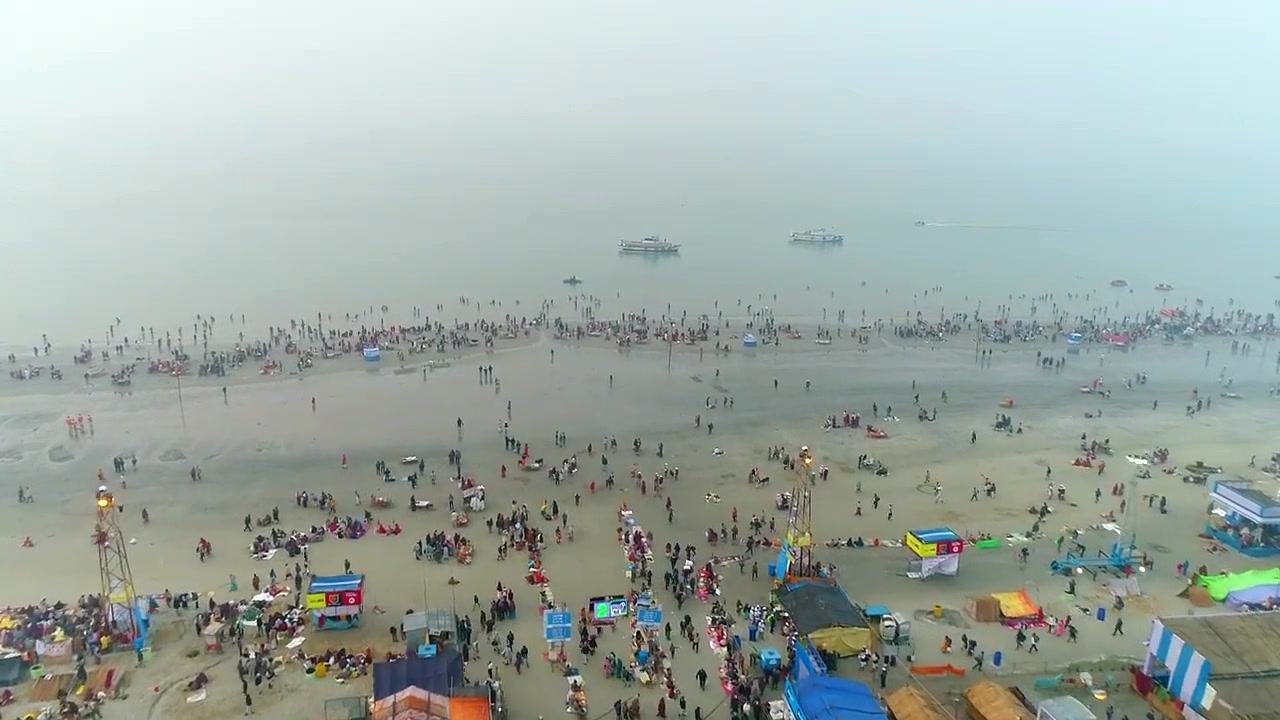
Every year, the core dates of Gangasagar Mela revolve around the celestial movement known as Makar Sankranti. This marks the winter solstice transition when Surya Dev (the Sun god) shifts from Dakshinayana (southern declination) to Uttarayana (northern movement) and enters the zodiac sign of Capricorn (Makar Rashi).
Annual Mela Calendar Overview
While the Mela administration begins deploying camps in early January, the festival follows a clear weekly rhythm:- January 8–10: Preliminary flag-off from Babughat transit camp in Kolkata; arrival of sadhus from all across the Akhadas.
- January 11–13: Inflow of pilgrims increases significantly; ferry services ramp up to round-the-clock operations.
- January 14–15 (The Core Event): Makar Sankranti Punya Snan (the main bathing hours) and massive congregation at the beach and temple.
- January 16–17: Return journeys commence; clearance of pilgrim dormitories and transition back to regular island routines.
The Science of Makar Sankranti & Punya Kaal
In Vedic astrology, the exact moment the Sun crosses into Capricorn is called the Sankramana Moment. The auspicious period preceding and succeeding this ingress is known as Maha Punya Kaal.According to classical Hindu texts like the Nirnaya Sindhu and Dharma Sindhu, taking a bath in a holy river or confluence during Punya Kaal washes away negative karmic impressions (Papa-vimochana). At Sagar Island, bathing precisely when the sun breaks over the ocean horizon while reciting the Gayatri Mantra or Ganga Stotram is considered the pinnacle of the pilgrimage.
Holy Bathing (Snan) Window
For the Makar Sankranti cycle:- Commencement of Punya Kaal: Typically begins late evening or night of January 14 (depending on the exact sun ingress minute calculated by the panchang).
- Peak Immersion Period: Continues throughout the morning and afternoon of January 15.
- Water Conditions: High tide (Jowar) typically occurs twice a day. Pilgrims are urged to adhere strictly to the safe water markers laid out by the National Disaster Response Force (NDRF) and civil defence divers.
Mela Week Day-by-Day Crowd Flow
Understanding the crowd trajectory helps in planning your trip comfortably:Can You Visit Gangasagar Outside Mela Dates?
Absolutely yes. In fact, visiting Sagar Island during the off-season (October through March, excluding the second week of January) offers an extraordinarily peaceful experience:- Clean beaches with minimal crowds.
- Peaceful, unhurried darshan at Kapil Muni Temple.
- Immediate boarding on ferries at Lot No. 8 without standing in queues.
- Substantially lower hotel and vehicle rates across the island.
Frequently Asked Questions
Related Guides & Articles
Gangasagar Mela: The Complete Pilgrim & Visitor Guide
Every January on Makar Sankranti, millions gather at Sagar Island where the sacred River Ganga meets the Bay of Bengal. Here is your step-by-step master guide to the second-largest human congregation in India.
Gangasagar Mela Safety, Medical Facilities & Lost-and-Found Assistance
Traveling with family or elders into a crowd of millions? Read our detailed guide on administrative safety infrastructure, green corridors, and how to stay safe.
Gangasagar Travel Guide: Packing List, Budgets, Medical Facilities & Safety Tips
Avoid common pitfalls on your trip to Sagar Island. A sensible checklist covering winter packing, cash requirements, medical stations, mobile reception, and beach safety.