


Mela Guides
9 min readGangasagar Mela: The Complete Pilgrim & Visitor Guide
Every January on Makar Sankranti, millions gather at Sagar Island where the sacred River Ganga meets the Bay of Bengal. Here is your step-by-step master guide to the second-largest human congregation in India.
Last checked 2025-01-10 Can change by seasonSources
All transit routes, emergency control desks, and administrative protocols verified against South 24 Parganas District public notices. Vessel schedules remain subject to Muriganga tidal variations.
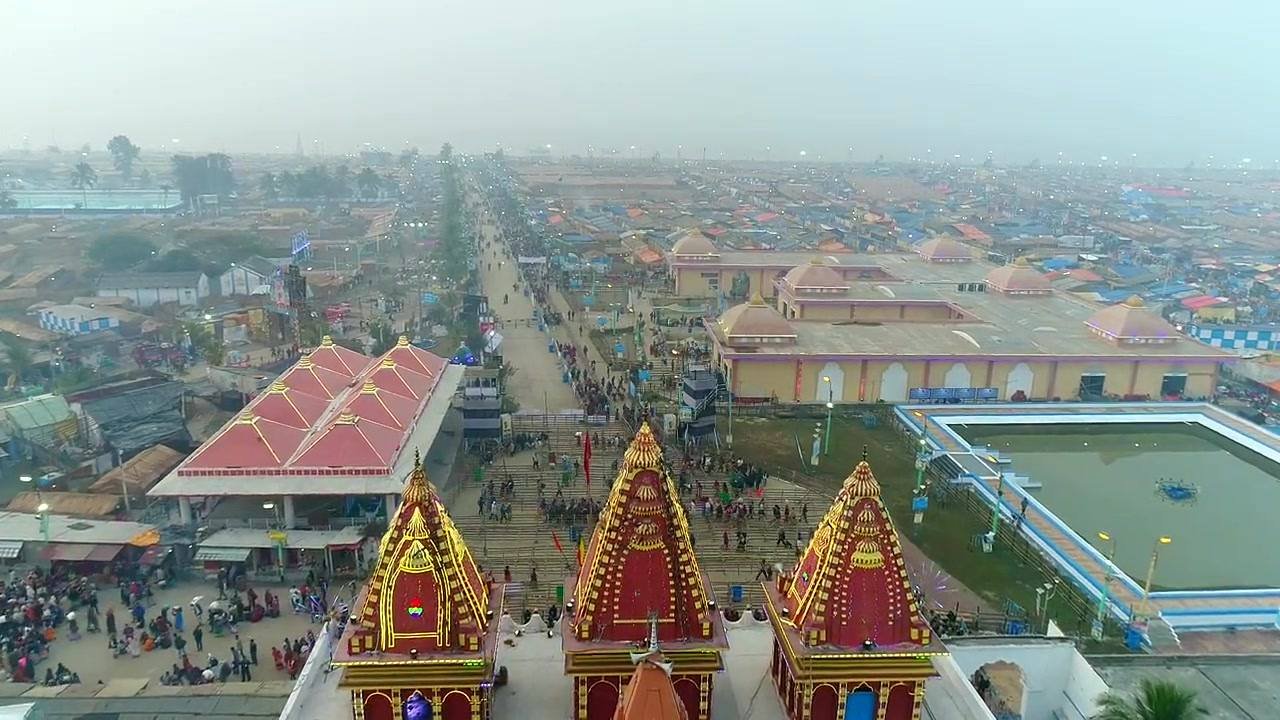
Gangasagar Mela is the second largest gathering of human beings on the planet after the Kumbh Mela. Held annually at Sagar Island (Sagar Dweep) in the South 24 Parganas district of West Bengal, India, it marks the sacred moment when the holy river Ganga meets the Bay of Bengal.
What is Gangasagar Mela?
Sagar Island is situated at the southern tip of the Ganges delta. Every year, during the winter festival of Makar Sankranti, millions of Hindu pilgrims, sadhus (ascetics), and travelers from across India arrive to take a holy dip in the frigid waters at sunrise and seek blessings at the historic temple of sage Kapil Muni.The ancient saying underscores the arduous nature and unmatched holiness of this journey:
"Sab tirth bar bar, Ganga Sagar ekbar"
("One may visit all other pilgrim shrines repeatedly, but a single pilgrimage to Gangasagar brings equivalent salvation.")
In historical times, traveling through the tiger-inhabited mangrove swamps and turbulent estuarine waterways was perilous. While modern infrastructure, paved roads, Ro-Pax ferries, and government logistics have made the journey significantly safer, the spiritual devotion remains just as profound.
Spiritual Significance: 'Sab Tirth Bar Bar...'
According to the Ramayana and Mahabharata, King Sagara of the Ikshvaku dynasty organized an Ashwamedha Yajna (horse sacrifice) to assert sovereignty. Indra, the king of gods, secretly hid the sacrificial horse near the hermitage of sage Kapila (Kapil Muni), who was deep in penance.When King Sagara's sixty thousand sons traced the horse to the hermitage, they insulted the sage, assuming he was a thief. Kapil Muni opened his eyes in fiery anger, and his yogic blaze instantly reduced the 60,000 princes to ashes.
Generations later, King Bhagiratha undertook rigorous austerities to bring the divine river Ganga down from the heavens. Guided by Bhagiratha, the celestial river flowed across the plains of northern India, entered Bengal, and reached Sagar Island, washing over the ashes of the sixty thousand sons and delivering their souls to Moksha (liberation). This timeless event is commemorated every Makar Sankranti.
When is the Mela Held?
Gangasagar Mela takes place around January 14–15 each year, corresponding to the astrological transit of the Sun into the zodiac sign of Capricorn (Makar Rashi).- Mela Duration: The festive grounds and administrative setups run for about one week, typically from January 10 to January 17.
- Peak Sacred Bathing Window (Punya Snan): Spans a continuous 24-hour cycle calculated by the Hindu lunar panchang. Devotees line up at the beach well before dawn to immerse themselves as the sun rises over the Bay of Bengal.
How Pilgrims Reach Sagar Island
Sagar Island is separated from mainland West Bengal by the wide Muriganga River. Reaching the island requires a multi-stage journey:Key Rituals: Holy Bath & Kapil Muni Darshan
- Sankranti Snan: Devotees step into the confluence (Mohana) where the river and sea intermingle. Three dips are taken with folded hands facing the rising sun, followed by offering sesame seeds (til) and water to ancestors (Tarpan).
- Puja at Kapil Muni Temple: Pilgrims offer coconut, vermilion, sweets, and flowers to the red-stone idol of Kapil Muni, accompanied by statues of Ganga Devi and King Bhagiratha.
- Daan (Charity): Giving food, blankets, and alms to sadhus, ascetics, and the needy along the mela pathways is considered particularly auspicious.
Government Facilities, Medical Camps & Security
The South 24 Parganas District Administration and the Government of West Bengal operate a colossal logistical setup:- RFID Tracking: Temporary wristbands distributed at transit nodes assist with crowd monitoring and tracing separated pilgrims.
- Mega Control Rooms: Multilingual public announcement systems broadcast announcements in Hindi, Bengali, Odia, Bhojpuri, and English.
- Hospitals & Green Corridors: Temporary 100-bed hospitals, water ambulances on the Muriganga, and air-ambulance facilities for critical emergency evacuations.
- Sanitation: Over 12,000 temporary eco-friendly toilets and dedicated waste management teams maintain beach cleanliness.
Essential Do's and Don'ts
- DO carry sufficient cash. ATM networks on the island often run out of cash or encounter network throttling during peak Mela days.
- DO dress in warm layers. Coastal morning breezes in mid-January can be surprisingly chilly (12°C–16°C).
- DO note the tidal schedule if traveling independently outside organized buses. Ferries may be halted during dead low tide (Bhata).
- DON'T swim into deep water. Strong tidal currents and sudden drop-offs at the confluence can be hazardous. Bathe strictly within designated barricaded zones monitored by NDRF and Civil Defence lifeguards.
- DON'T use single-use plastic. Sagar Island enforces plastic-free environmental regulations.
Frequently Asked Questions
Related Guides & Articles
Gangasagar Mela Dates & Makar Sankranti Snan Timings
Plan your pilgrimage around the auspicious Punya Snan muhurat. Understand the astronomical calculation of the Sun's transit into Capricorn and the best hours for holy immersion.
Gangasagar Mela Safety, Medical Facilities & Lost-and-Found Assistance
Traveling with family or elders into a crowd of millions? Read our detailed guide on administrative safety infrastructure, green corridors, and how to stay safe.
Gangasagar Travel Guide: Packing List, Budgets, Medical Facilities & Safety Tips
Avoid common pitfalls on your trip to Sagar Island. A sensible checklist covering winter packing, cash requirements, medical stations, mobile reception, and beach safety.