


Travel & Transport
7 min readFerry to Sagar Island: Lot No. 8, Kachuberia, Namkhana & Tide Timings
Crossing the wide Muriganga River is the most critical leg of your journey to Gangasagar. Learn about ferry frequency, tickets, low-tide interruptions, and alternate routes.
Last checked 2025-01-10 Can change by seasonSources
Ferry tariffs, passenger vessel safety norms, and alternate jetties verified with the Inland Waterways Directorate of West Bengal.
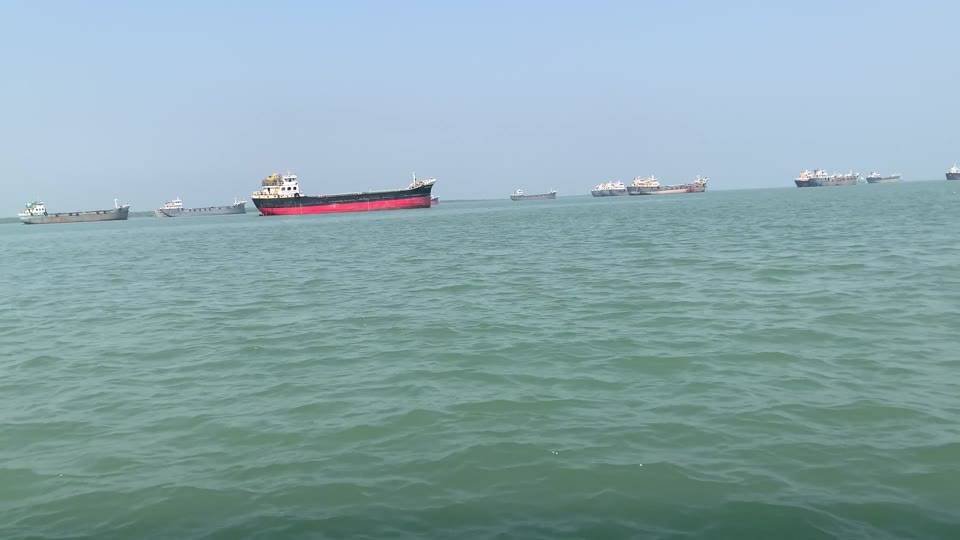
The Muriganga River is a massive distributary of the Hooghly River, widening to nearly 4.5 kilometers near its mouth. Navigating this river is an essential, memorable part of every pilgrim's journey to Gangasagar.
Overview of Estuary Ferry Routes
Travelers have two distinct maritime crossing options to reach Sagar Island:Primary Route: Lot No. 8 to Kachuberia
- Mainland Terminal: Harwood Point (commonly called Lot No. 8), located 8 km south-west of Kakdwip town.
- Island Terminal: Kachuberia Ghat, situated at the northern apex of Sagar Island.
- Distance: ~4.5 km of river navigation.
- Travel Time: 35 to 45 minutes under normal water flow.
- Operational Hours: In normal season: 06:00 AM to 08:00 PM. During Mela week: 24 hours continuously (weather and tides permitting).
How Tides Affect Ferries: Jowar vs. Bhata
The Muriganga is an estuarine tidal river with two high tides (Jowar) and two low tides (Bhata) every 24 hours:- High Tide (Jowar): Water depth increases by 3 to 4 meters. Large double-decker passenger vessels and heavy Ro-Pax car ferries sail smoothly without hindrance.
- Low Tide (Bhata): Extensive silt bars and sandbanks (Chor) become exposed. Larger vessels cannot dock at the standard jetties without risk of grounding. While dredging operations have deepened the central navigational channel, low tide can still cause operational pauses of 1 to 2 hours on certain days.
Traveler Tip: Check the local lunar tide chart before leaving Kolkata. Timing your arrival at Lot 8 during mid-to-high tide ensures zero waiting time at the jetty.
Alternative Route: Namkhana to Benuban / Chemaguri
When Lot No. 8 experiences severe holiday or Mela crowds, savvy travelers use the Namkhana crossing:- Take the train to Namkhana Railway Station (the last stop on the Sealdah South line).
- Proceed to Namkhana Jetty on the Hatania-Doania / Muriganga river branch.
- Cross by vessel to Chemaguri Ghat or Benuban on Sagar Island.
- From Chemaguri, local buses and private cars drive southwest directly toward Kapil Muni Temple (approx. 22 km).
Vessel Types, Safety & Fares
The Inland Waterways Directorate deploys several classes of vessels:- Wooden Single/Double Decker Passenger Launches: Capacity of 150 to 300 passengers. Equipped with life jackets, buoyancy rings, and public address horns. Fare: ~₹10 to ₹15 per passenger.
- Steel Ro-Pax Vessels: Massive flat-bottomed vessels capable of carrying government ambulances, freight trucks, buses, and hundreds of commuters simultaneously.
- Fast Speedboats: Deployed by police, administration, and disaster response teams for emergency transit.
Tips for Smooth Ferry Boarding
- Keep exact change handy at the ticket counter to expedite ticket processing.
- Hold onto railings when stepping onto the floating pontoon gangways, which rise and fall with tidal swells.
- Do not lean over the gunwale or crowd onto one side of the vessel during boarding.
Frequently Asked Questions
Related Guides & Articles
How to Reach Gangasagar from Kolkata: Route, Train, Bus & Ferry Guide
Traveling from Kolkata to Gangasagar involves trains or buses followed by a river ferry and an island road journey. Here is a clear, practical guide with fares, schedules, and interchange points.
Sealdah to Kakdwip Local Train Guide for Gangasagar Pilgrims
Avoid highway traffic jams by taking the suburban EMU train from Sealdah to Kakdwip. Here are train schedules, station tips, UTS app booking, and connecting transport.
Kolkata to Gangasagar Bus Services: Babughat, Howrah & Esplanade Options
Prefer bus travel? Learn where to board government and private buses in Kolkata for Lot No. 8 and Namkhana, complete with fares, travel duration, and tips.